Fitzhugh Townsend - Hall of Fame
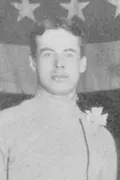
Fitzhugh Townsend
- Induction:
- 2026
- Class:
- 1896
Samuel George Fitzhugh Townsend helped shape the early days of collegiate fencing in the United States while carving out a place in Columbia history as one of the university’s first Olympic medalists.
Townsend graduated from Columbia College in 1893 and later earned a degree from the School of Engineering in 1896. He stood out as both a strong student and a top competitor on the fencing strip during a period when organized intercollegiate competition was still taking form. In 1894, he co-founded the Intercollegiate Fencing Association, a landmark step in formalizing the sport at the college level.
That same year, Townsend became the first individual champion in the association’s history. He backed it up two years later, establishing himself as one of the leading fencers of his era and helping raise the profile of collegiate fencing through his results and his involvement in the sport’s earliest structure.
After Columbia, Townsend continued to compete at the highest levels in the United States. He won multiple national championships in foil, adding to a resume that already included major intercollegiate achievements. His success eventually carried him to the international stage.
In 1904, Townsend represented the United States at the Olympic Games in St. Louis. He earned a silver medal in the team foil event, placing him among the pioneers of American fencing in the modern Olympic era. The medal also marked a milestone for Columbia and for the group of schools that would later form the Ivy League. Townsend became the first fencer from a future Ivy League institution to compete in the modern Olympics and the first to bring home an Olympic medal.
Townsend’s connection to Columbia extended beyond athletics. He returned to the university as an instructor in electrical engineering, continuing the academic path that had defined his student years. His faculty work reflected the same focus and discipline that carried him through national and international fencing competition.
Townsend remained on the Columbia faculty until his death in 1906. Though his life was short, his impact was lasting. He helped lay the foundation for collegiate fencing, set an early standard for excellence in competition, and secured a place among Columbia’s earliest Olympic medalists.
Friday, October 30
Friday, October 30
Friday, October 30
Wednesday, October 28