Lee C. Bollinger - Hall of Fame

Lee C. Bollinger
- Induction:
- 2026
When Lee C. Bollinger became Columbia’s 19th president in 2002, he arrived with a clear belief that athletics mattered to the life of the university. He saw sports as a way to build community across campus, and he backed that belief with decisions that reshaped Columbia Athletics for the next two decades.
Bollinger brought an athlete’s enthusiasm to Morningside Heights. Early in his presidency, he helped kick off the academic year with a campus fun run that stretched through Morningside Heights and Riverside Park. It was a small moment, but it reflected how he approached athletics overall: visible support, a sense of participation and a conviction that sports could connect students, alumni, faculty and staff.
Structurally, Bollinger made athletics a higher institutional priority by moving oversight of the program from the provost’s office to the president’s office. He then hired an experienced Division I athletics director, Dr. M. Dianne Murphy and consistently emphasized the need for investment, not only in teams and coaching, but also in the facilities and resources that support student-athletes day to day.
A key step was fundraising. Working alongside Executive Vice President for Development Susan K. Feagin, Bollinger approved the $100 million Columbia Campaign for Athletics, the largest fundraising effort in the history of the athletics program. As part of Bollinger’s first major development initiatives at Columbia, the campaign focused heavily on transforming Columbia’s athletic footprint, especially at the Baker Athletics Complex in Inwood.
The campaign’s impact was visible throughout Baker, from upgrades to Chrystie Field House to new playing surfaces. The centerpiece was the Campbell Sports Center, named for legendary Lion and trustee Bill Campbell. Bollinger was involved from the start, supporting the project and commissioning architecture professor Steven Holl to design a facility that would both serve student-athletes and stand out as a campus landmark.
The result was a 48,000-square-foot building that expanded what Columbia could offer its student-athletes, with dedicated space for training, strength and conditioning, recreation and studying. It also signaled a shift in expectations, inside and outside the program, about what Columbia Athletics could become.
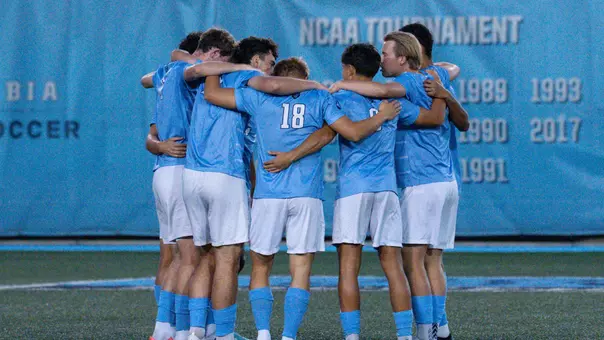
Competitive results followed. From 2006 to 2010, Columbia won 15 Ivy League titles, the most in a four-year stretch in university history at the time. That run included first-ever Ivy championships in women’s soccer and women’s golf, milestones that reflected both broader opportunity and improved support across sports.
Bollinger’s push for progress continued even after the Campbell Sports Center opened. In 2015, Columbia hired athletics director Peter Pilling and football head coach Al Bagnoli, two moves that reinforced the university’s commitment to high-level leadership. The next wave of success included a program-record seven Ivy League team titles in 2017 and a football turnaround that put the Lions back in regular contention within the Ivy League.
Facility growth continued as well. In fall 2021, Columbia broke ground on the Philip and Cheryl Milstein Family Tennis Center at Baker. The facility opened in 2023 as the latest major addition to the complex.
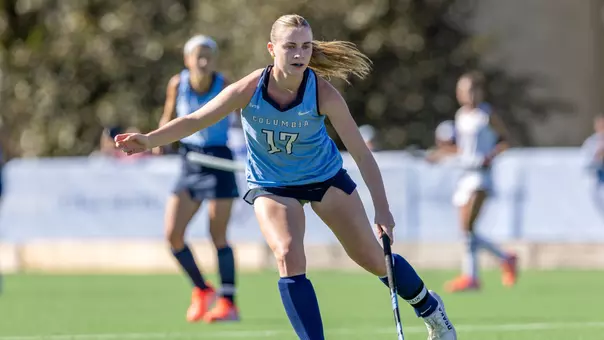
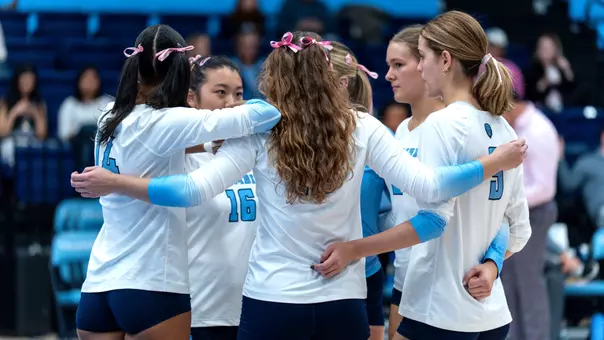
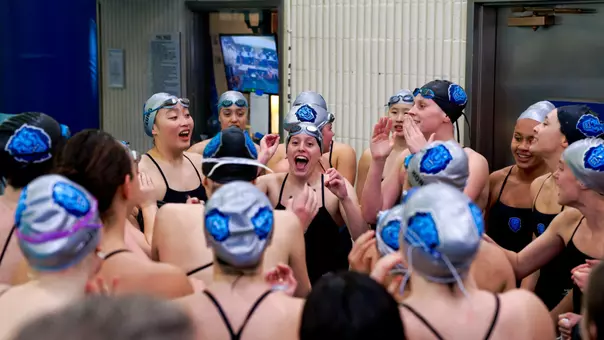
Over 21 years as president, Bollinger oversaw a period of unprecedented momentum for Columbia Athletics. During his tenure, Columbia teams won 59 Ivy League championships and 98 teams advanced to NCAA postseason competition. More than any single season or building, his lasting impact is the range of opportunities Columbia student-athletes gained during this era, and the expectation that they could pursue excellence in competition while thriving at one of the world’s leading universities.
Friday, October 30
Friday, October 30
Friday, October 30
Wednesday, October 28